From rolling lavender fields to ancient sun-baked vineyards, Provence offers one of France's most seductive wine experiences. Discover legendary rosés, bold reds, and crisp whites on expertly guided tours through the heart of the Mediterranean.
Explore Provence's Finest Vineyards on a Boutique Wine Tour
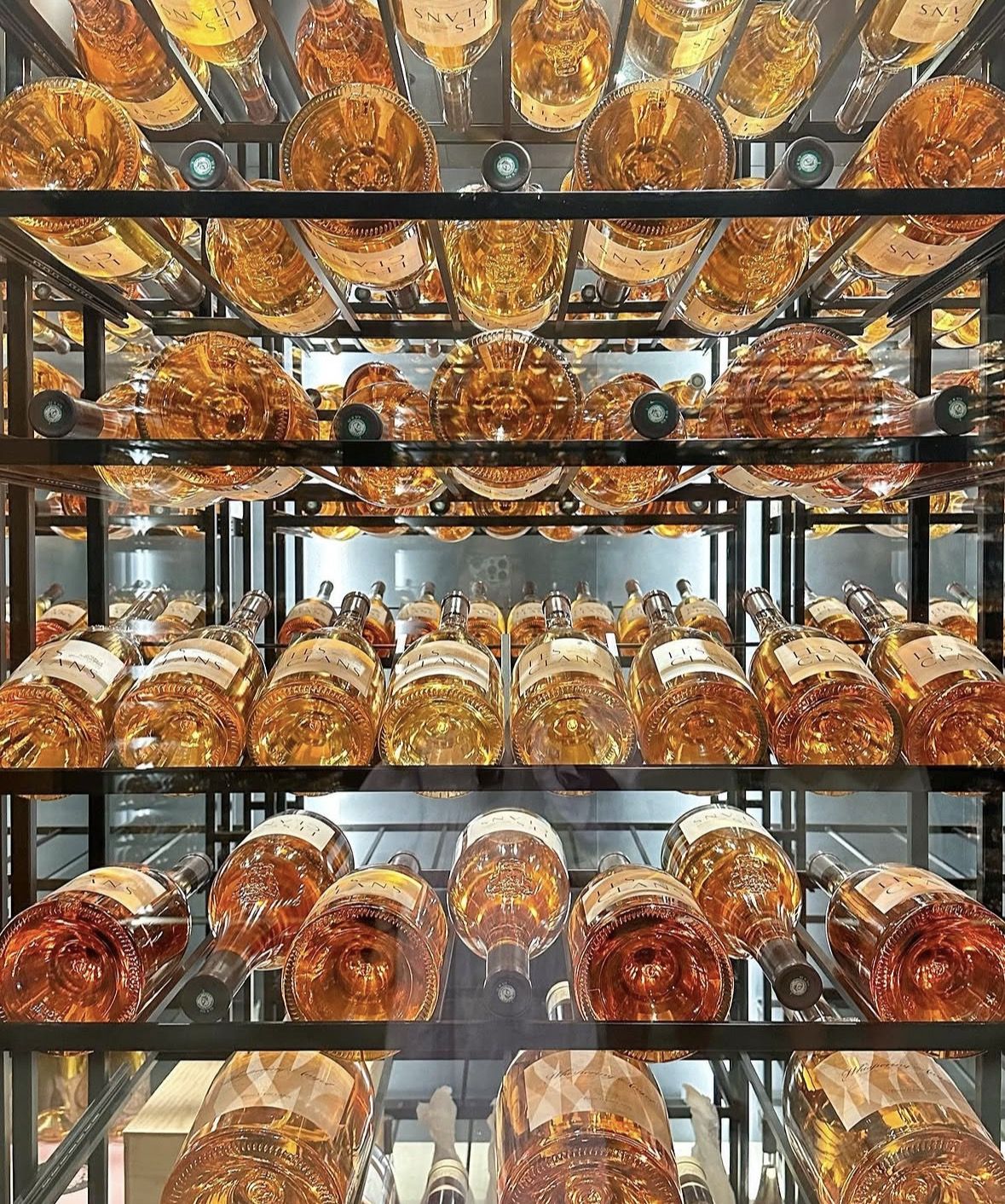
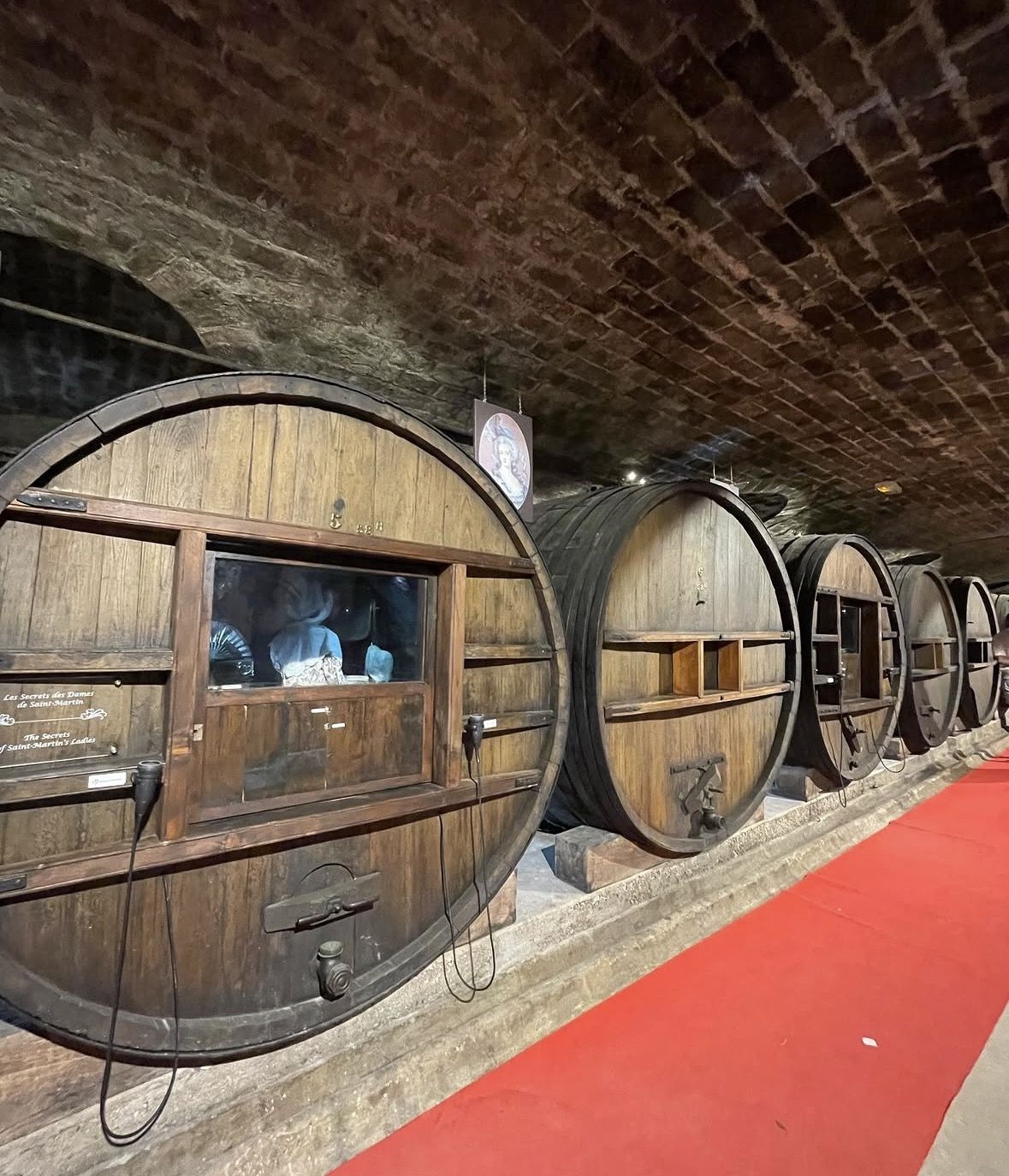
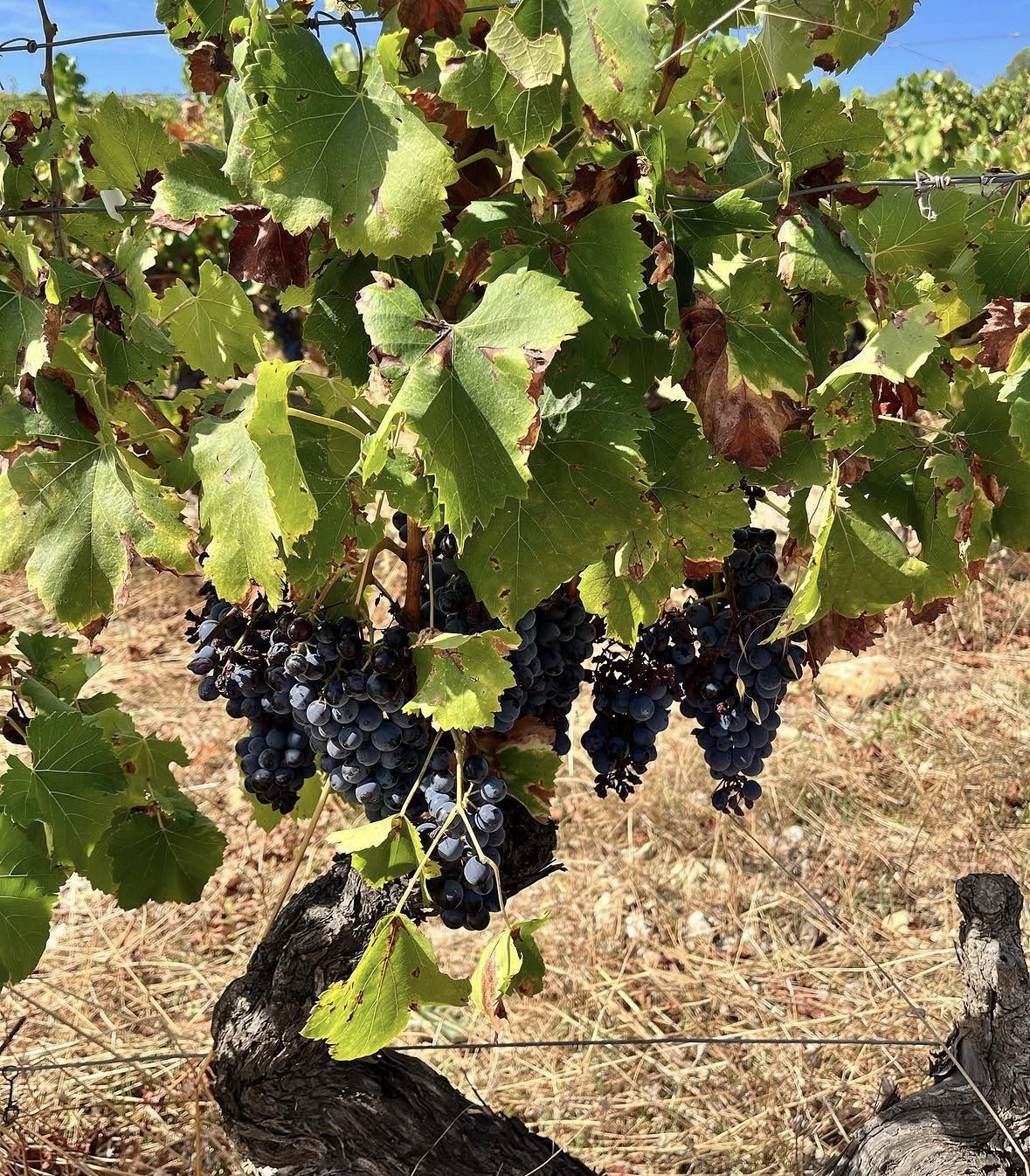
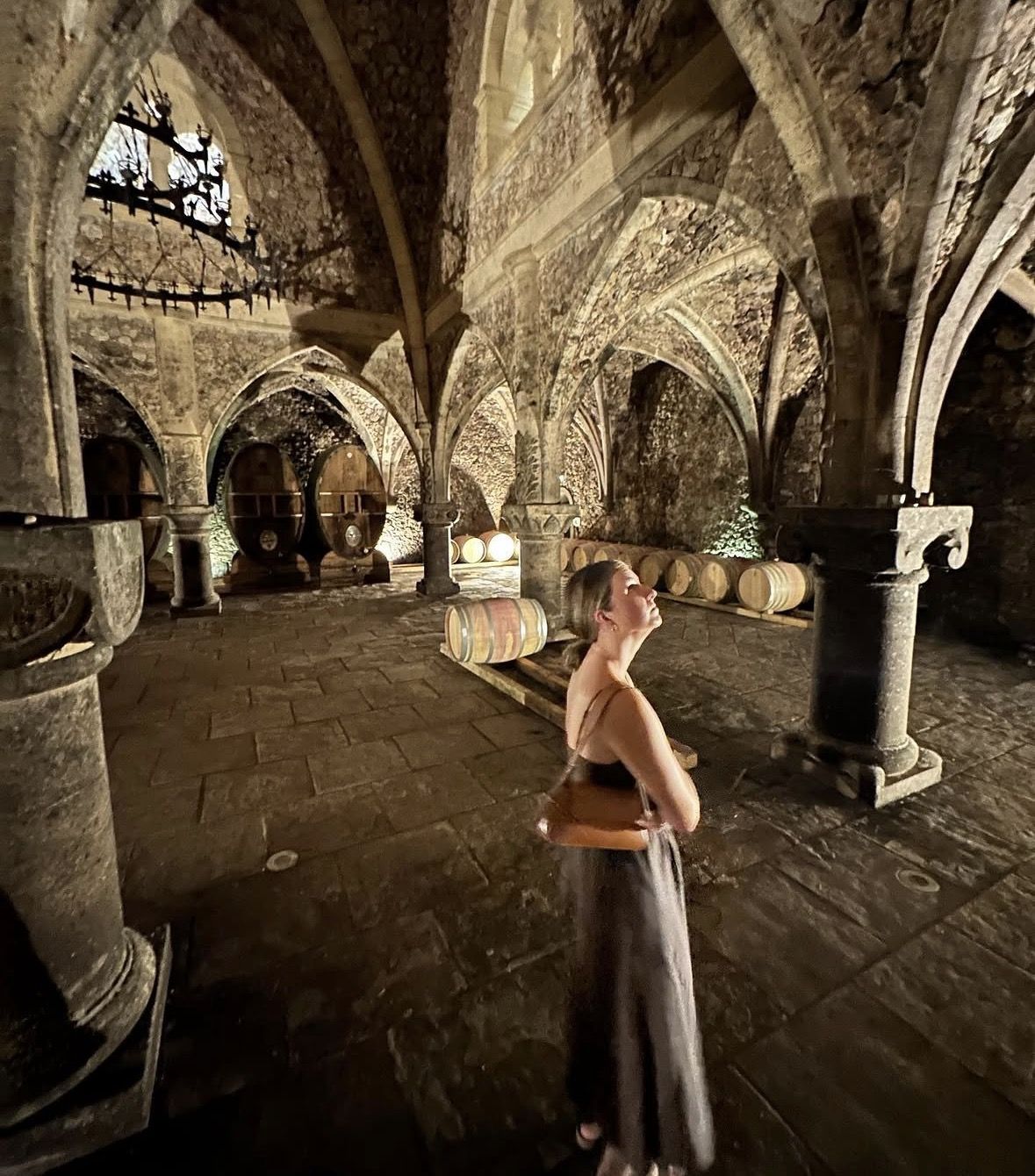
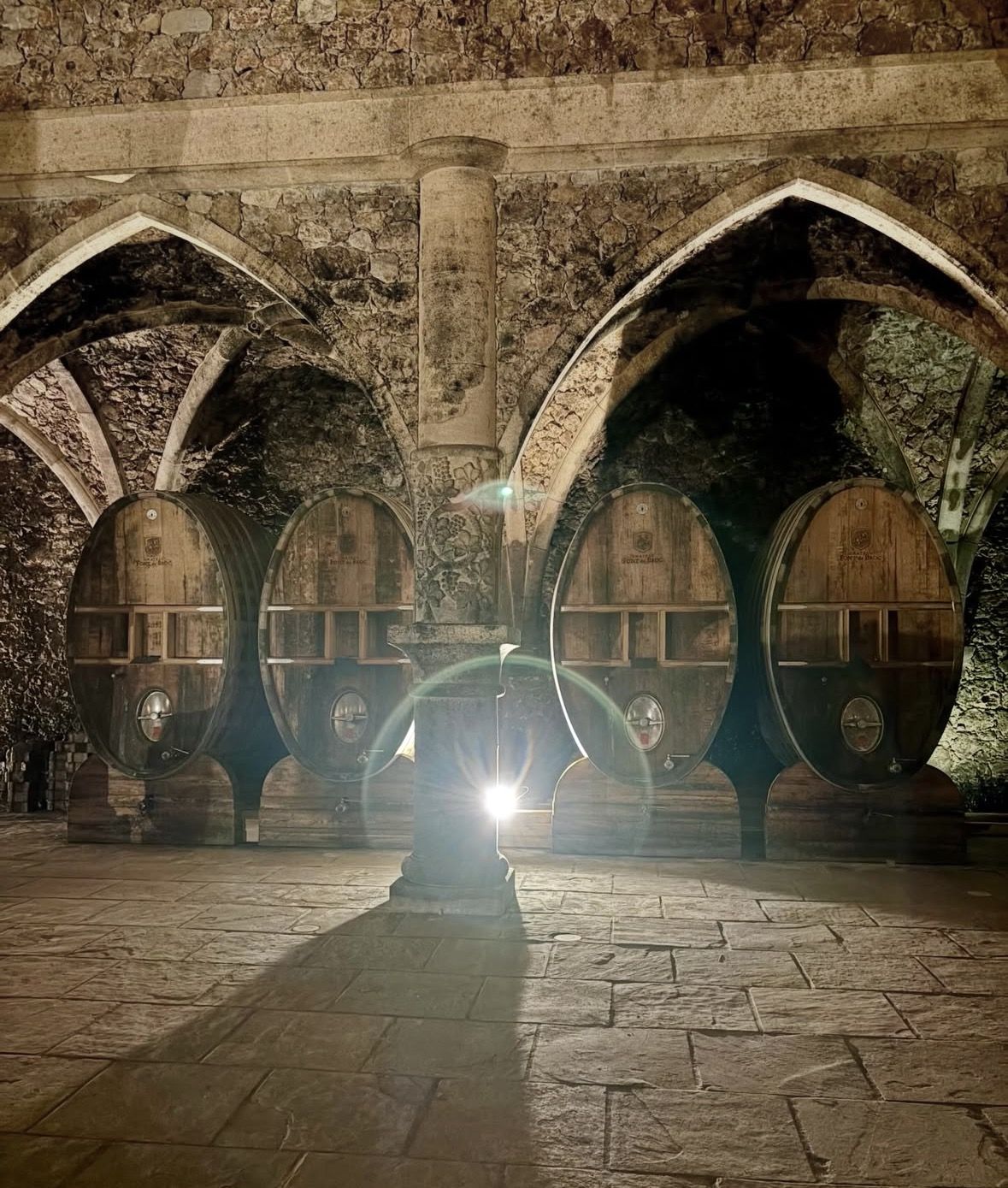
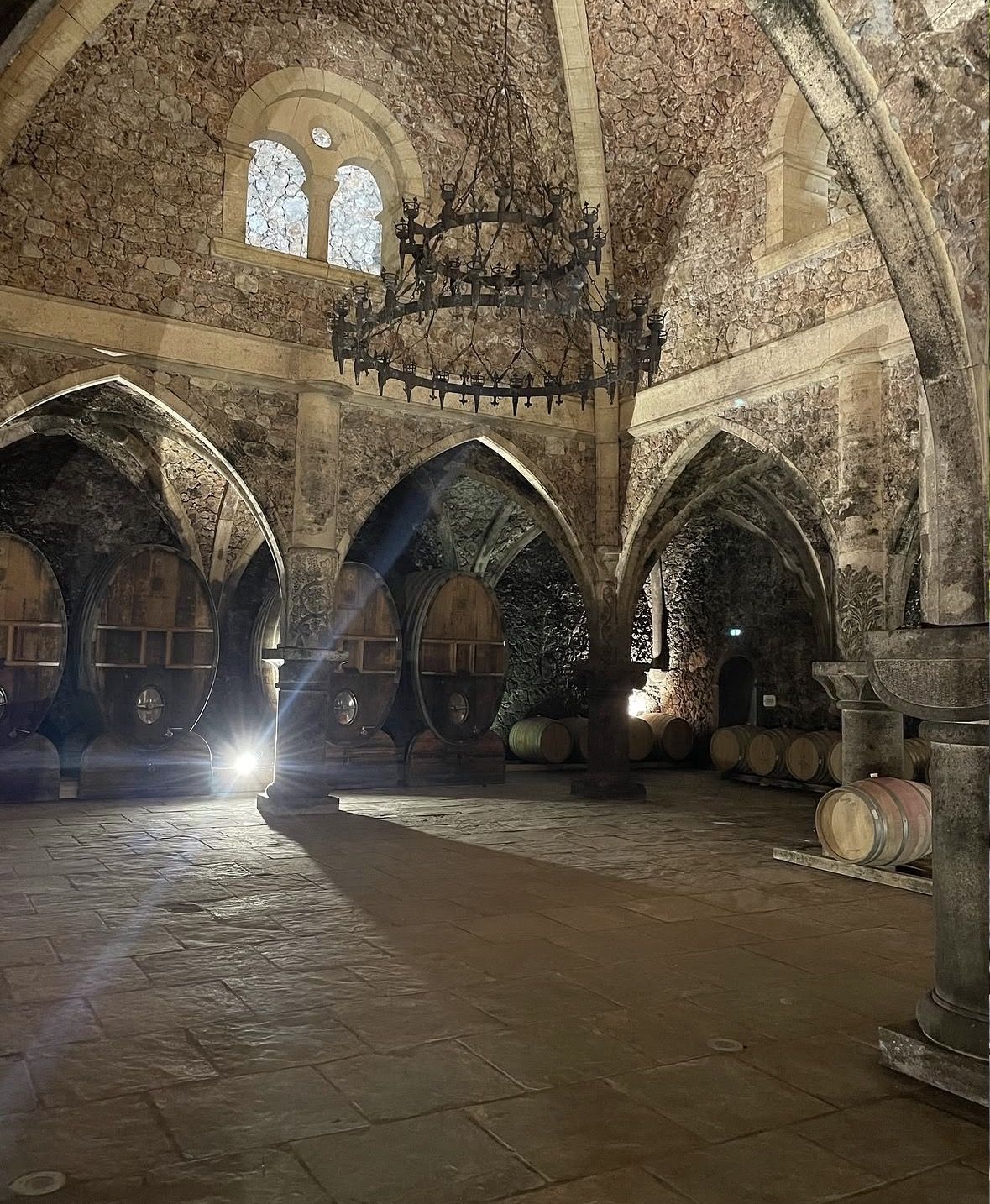
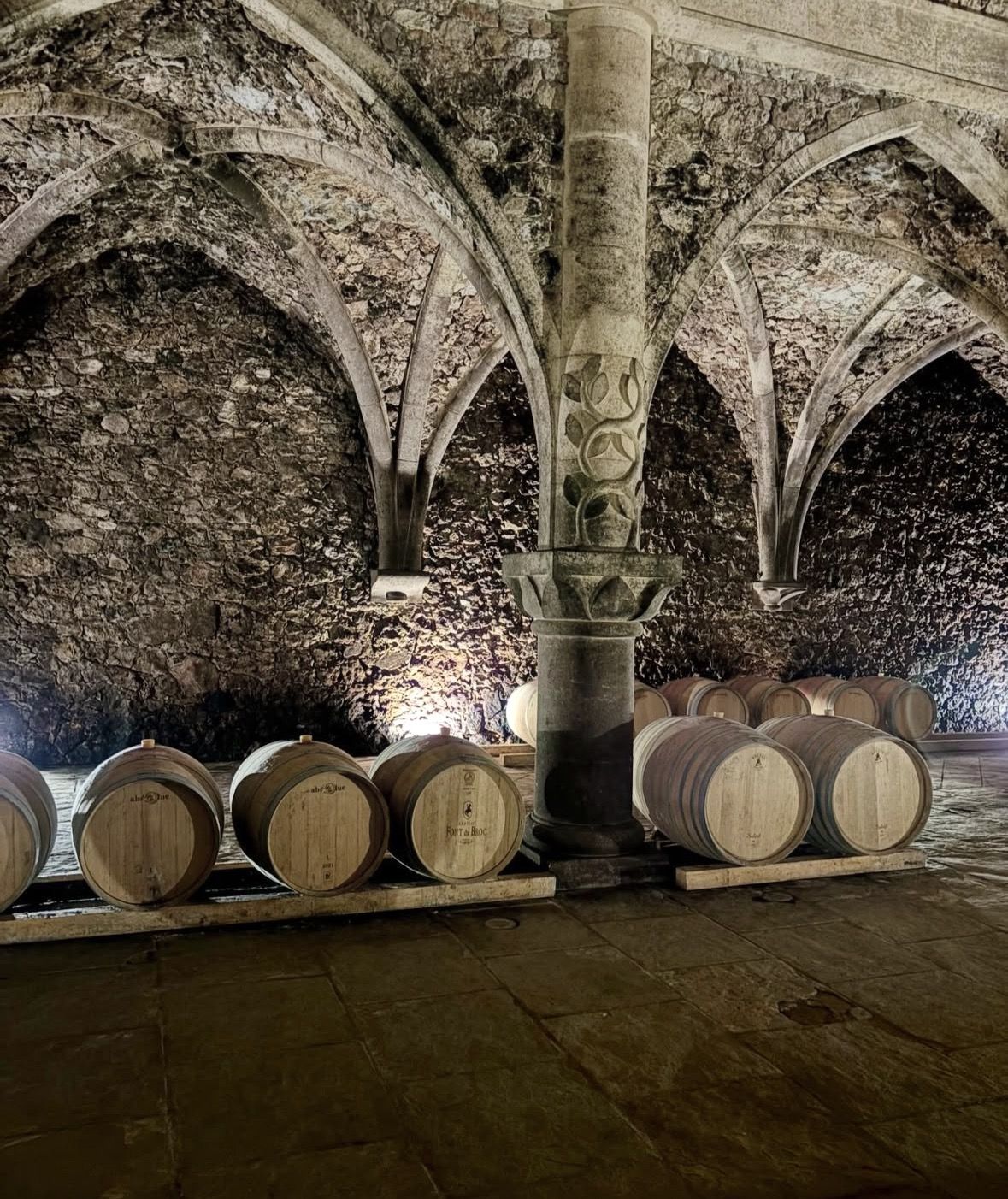
The Provence Wine Tour - Small Group Tour from Nice is one of the most celebrated wine experiences in the south of France, earning a near-perfect 4.9-star rating from over 360 travellers. Led by Erwan and Peter — passionate local experts at the helm of Azur Wine Tours — this intimate journey takes you deep into the heart of Provence's legendary wine country. With a maximum of just eight guests, the atmosphere is relaxed, convivial and entirely free of the rushed pace that plagues larger coach tours. You'll visit three emblematic, award-winning domaines, meet the winemakers face to face, and gain a behind-the-scenes perspective on how the region's iconic rosé is crafted. A dedicated Masterclass in wine tasting sharpens your palate as you work through approximately 12 wines — reds, whites and, of course, plenty of rosé — along with a few delightful surprises. Set against the sun-drenched landscapes that have inspired painters and poets for centuries, this tour is the perfect way to slow down, switch off and drink in the very best of Provence.
Maximum 8 guests for a truly personal, friendly experience
Provence's wine country stretches from the rugged Var coast to the limestone plateaus above Aix-en-Provence, offering endlessly diverse terroir. Each sub-region pours a distinct story into the glass.
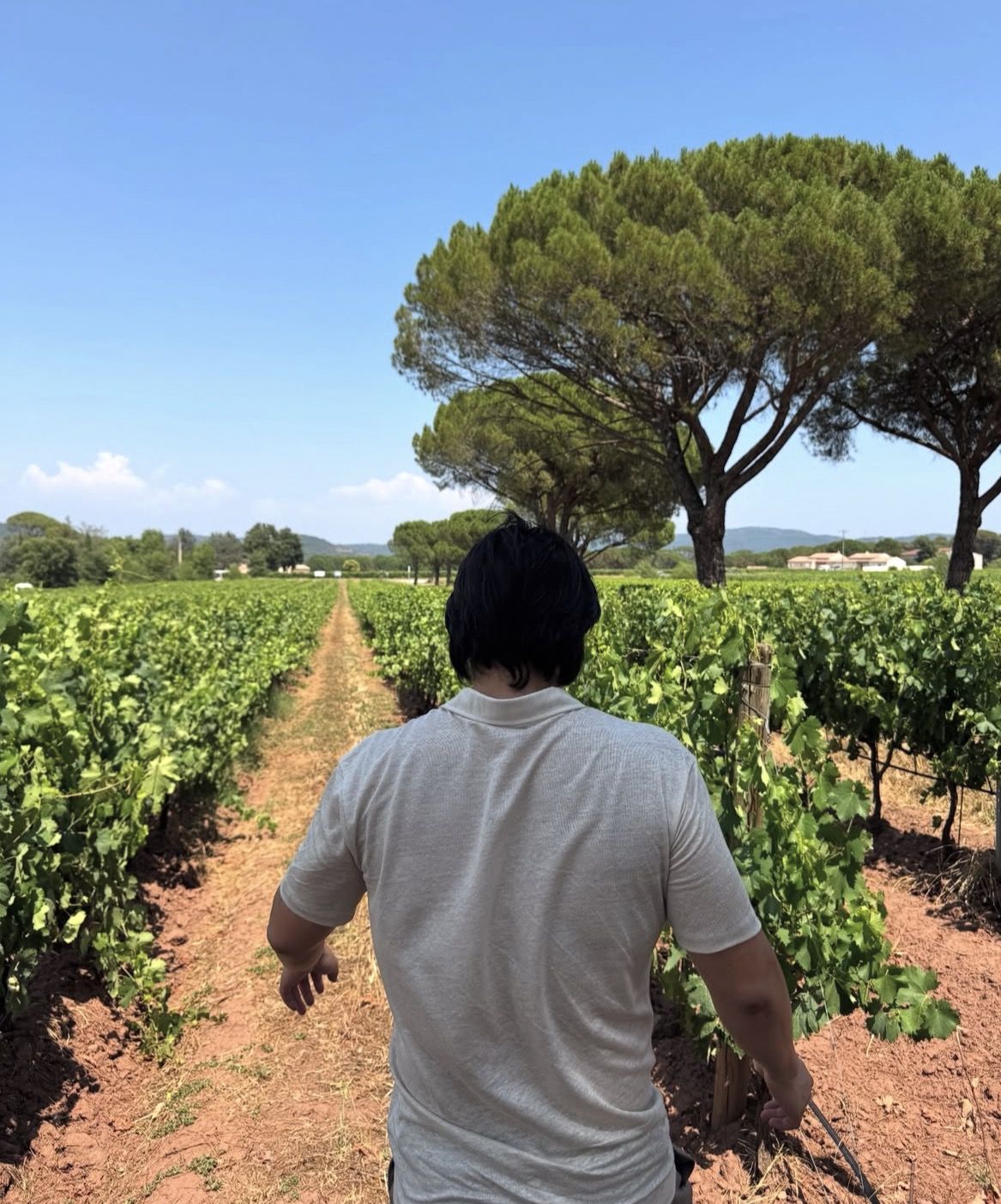
Provence is France's oldest and southernmost wine region, covering roughly 26,000 hectares across three main appellations: Côtes de Provence, Coteaux d'Aix-en-Provence, and Coteaux Varois en Provence. Smaller jewels like Bandol, Cassis, and Bellet round out a remarkably varied landscape shaped by limestone ridges, coastal plains, and inland valleys. The region's 300-plus days of annual sunshine, tempered by the cooling Mistral wind, create ideal conditions for producing wines of remarkable freshness and complexity.
The Greeks founded Massalia — modern Marseille — around 600 BCE and introduced viticulture to the region, making Provence's winemaking heritage more than 2,600 years old. The Romans later expanded cultivation across the entire south, and by the Middle Ages monasteries were refining winemaking techniques that still echo in today's estates. This extraordinary depth of history means every bottle from this land carries the weight of ancient tradition alongside thoroughly modern winemaking ambition.
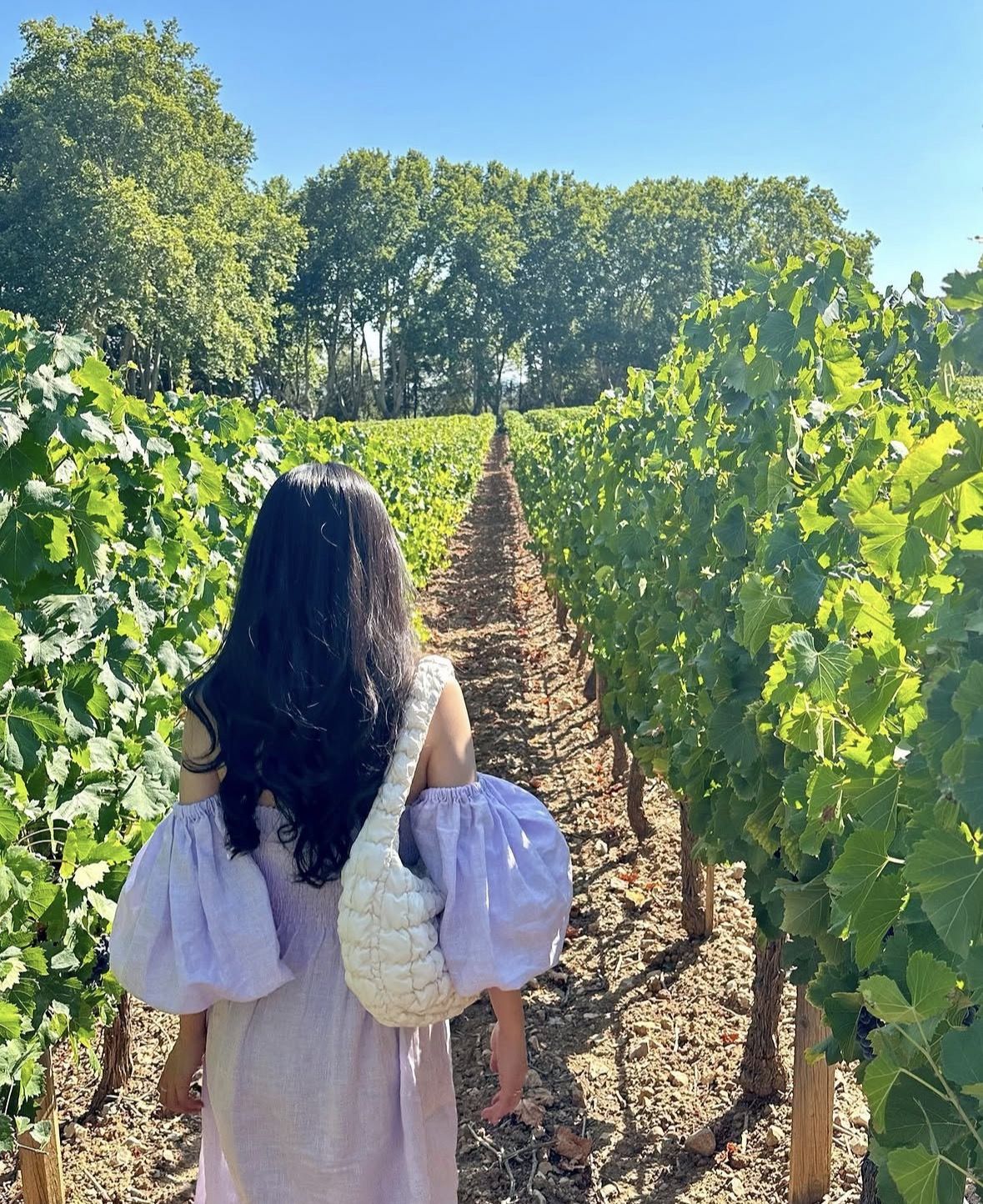
Visiting Provence's wine country feels like stepping into a living landscape painting. Lavender fields and olive groves frame ochre-stone villages, while open-air markets overflow with the same herbs — rosemary, thyme, fennel — whose aromatic garrigue character infuses the wines themselves. Wine tasting tours in Côtes de Provence regularly combine cellar visits with truffle hunts, local cheese pairings, and panoramic hilltop lunches, making every outing a full sensory celebration of Mediterranean life.
🍇
Hectares Under Vine~26,000 ha
🥂
Rosé of Total Production~90%
📅
Winemaking History2,600+ years
🌞
Sunshine Days per Year300+
🏅
AOC Appellations9 appellations
🍾
Bottles Produced Annually~160 million
🌹
90%
The Rosé Capital of the World
Provence produces roughly 90% of all French rosé and is globally recognised as the benchmark for the style. Its pale, dry, minerally rosés have set the international standard for decades and continue to grow in prestige year on year.
💨
300+
The Mistral Wind's Gift
The famous Mistral wind sweeps down the Rhône Valley, clearing humidity and dramatically reducing disease pressure in the vineyards. This natural ventilation is a key reason Provence can farm with minimal intervention, producing clean, vibrant grapes season after season.
🏺
600 BCE
Greece's Ancient Legacy
Greek colonists planted the first vines near Massalia (Marseille) around 600 BCE, making this one of Europe's oldest continuous wine regions. Archaeological evidence of ancient wine vessels has been discovered throughout the Var and Bouches-du-Rhône departments.
🍇
13+
Permitted Grape Varieties
Côtes de Provence alone permits more than 13 grape varieties, including Grenache, Syrah, Mourvèdre, Cinsault, Tibouren, and Rolle (Vermentino). This diversity enables winemakers to craft endlessly nuanced blends that reflect their specific terroir and philosophy.
🗺️
9
Distinct AOC Appellations
From the coastal drama of Bandol and Cassis to the alpine freshness of Bellet near Nice, nine AOC appellations carve out distinctly different identities. Each zone's geology, altitude, and microclimate leave a tangible fingerprint on every wine produced within its boundaries.
🌿
Garrigue
The Scent of the Landscape
Wild Mediterranean scrubland — known as garrigue or maquis — blankets the hillsides between vineyards. The aromatic oils from rosemary, thyme, lavender, and cistus permeate the air and subtly influence both the vines and the flavour profiles of the wines they produce.
🥂
Guided Cellar & Vineyard Tastings
Wine tasting tours in Côtes de Provence take you behind the cellar doors of both renowned châteaux and hidden family domaines. Expert guides explain production techniques while you sample library vintages alongside current releases in atmospheric cave settings.
🚲
Provence Cycling Tours Through the Vines
Provence cycling tours offer one of the most exhilarating ways to experience the region's wine country, pedalling quiet back roads past rosé estates, olive groves, and medieval villages. Ebike options make the rolling terrain accessible for all fitness levels.
🥗
Food and Wine Pairing Experiences
Food and wine tours of Provence combine market visits, cooking demonstrations, and seated tastings at estate restaurants. Discover why local cheeses, charcuterie, bouillabaisse, and tapenade are the perfect foils for the region's wines.
🚌
Day Tours from Avignon & Aix
Provence wine tours from Avignon and Aix-en-Provence wine tours depart daily, offering convenient half-day and full-day excursions to multiple appellations. Small group tours in Provence France ensure personalised attention and access to smaller producers not open to the public.
🥾
Provence Hiking Tours Among the Vineyards
Provence hiking tours trace ancient shepherd paths and Roman roads through vine-covered hillsides in the Alpilles, Luberon, and Var. Many routes link directly to estate tasting rooms, rewarding the walk with a perfectly chilled glass at the finish.
🏛️
Luxury & Private Wine Experiences
Luxury wine tours in Provence elevate the journey with private helicopter transfers, Michelin-starred lunches at flagship estates, and exclusive access to verticals of top Bandol producers. Bespoke itineraries can be tailored for couples, corporate groups, or serious collectors.
How Provence Compares to Similar Wine Destinations
Choosing the right French wine region for your trip depends on style, budget, and the kind of experience you're after.
Planning a wine-focused holiday in France means weighing several world-class regions against one another. Burgundy offers unrivalled Pinot Noir prestige, Bordeaux impresses with grand château grandeur, and the Loire Valley charms with its châteaux and crisp whites. Yet Provence Wine stands apart with its Mediterranean lifestyle, uniquely approachable rosé culture, and an adventurous outdoor backdrop — from coastal cliffs to lavender-laced plateaus — that no other French wine region can replicate. This table helps you find your perfect match.
Crowds
Price
Best For
What Sets It Apart
★ Provence
Moderate (peak July–Aug)
Mid-range to luxury
Rosé lovers, foodies, outdoor explorers
Mediterranean lifestyle, oldest French wine region, stunning landscapes
Bordeaux
High year-round
Premium to ultra-luxury
Serious red wine collectors
Grand châteaux, structured Cabernet-based reds, iconic estates
Diverse styles from sparkling Crémant to mineral Sancerre, fairytale châteaux
While Bordeaux and Burgundy command higher prices and prestige for red wine collectors, and the Loire Valley appeals to those seeking variety on a budget, Provence Wine offers something truly singular: a sun-soaked Mediterranean lifestyle woven into every tasting. Its approachability, outdoor activities, and the sheer pleasure of a chilled rosé in a lavender-scented courtyard make it the most joyful wine destination in France.
Travel Guide
Provence Wine Everything You Need to Know
Everything you need to plan the perfect Provence wine journey, from arrival logistics to insider cellar tips.
How to Get to Provence's Wine Country
Provence is well connected to the rest of Europe by air, rail, and road. The main international gateways are Marseille Provence Airport (MRS) and Nice Côte d'Azur Airport (NCE), both offering direct flights from major European and North American cities. TGV high-speed trains from Paris reach Aix-en-Provence TGV station in under three hours, making paris and provence tours a seamless combination for travellers wanting to see both iconic destinations in one trip.
Once in Provence, a rental car gives the greatest flexibility for exploring scattered vineyards and hilltop villages. However, many travellers wisely opt for small group tours in Provence France, which handle transport between estates and eliminate the obvious hazard of driving after generous tastings. Local buses connect major towns, while taxis and rideshares serve the urban areas of Aix-en-Provence, Avignon, and Marseille reliably.
✈️ Fly into Marseille (MRS) or Nice (NCE) — both offer direct international routes
🚄 TGV from Paris Gare de Lyon to Aix-en-Provence TGV in ~3 hours
🚗 Rent a car from Marseille or Aix for maximum vineyard flexibility
🚌 Guided tour minibuses depart daily from Avignon, Aix, and Marseille city centres
🚕 Taxis and rideshares are readily available in all major Provençal cities
🚲 Bike hire is available in most towns for short-distance vineyard-hopping
🛳️ Seasonal ferry services connect Marseille to Corsica and offer coastal access to Cassis and Bandol
Best Times of Year to Visit Provence Vineyards
The shoulder seasons of spring (April–June) and autumn (September–October) are widely considered the ideal times to visit. Spring brings wildflowers, mild temperatures, and the excitement of bud break in the vineyards. Autumn offers the unforgettable spectacle of harvest (vendange), with estates buzzing with activity and the air heavy with fermenting juice. Summer is spectacular but busy, while winter offers peaceful off-season pricing and access to winemakers with more time to talk.
Provence enjoys a classic Mediterranean climate with hot, dry summers and mild winters. July and August temperatures regularly exceed 35°C, making midday vineyard walks uncomfortable; mornings and evenings are far more pleasant. The Mistral wind can blow intensely at any time of year, dropping temperatures dramatically and occasionally disrupting outdoor tastings. Rainfall is concentrated in spring and autumn, and snow is rare except on the highest Luberon peaks.
🌸 April–June: Ideal — wildflowers bloom, mild weather, vineyards green and active
☀️ July–August: Peak season — stunning but hot and crowded; book tours well in advance
🍇 September–October: Harvest season — the most atmospheric and rewarding time for wine lovers
🍂 November: Quiet, golden light, excellent for photography and uncrowded estate visits
❄️ December–February: Off-season — cold but peaceful; some estates and restaurants close
💨 Mistral winds can arrive any month — pack a layer even in summer for exposed hilltop tastings
🌧️ Expect brief but heavy rain showers in May and October; carry a compact umbrella
What to Pack for a Provence Wine Tour
Packing smart for a wine-focused trip means balancing comfort with a touch of style — many estate restaurants and tasting rooms appreciate neat, smart-casual dress. Lightweight, breathable fabrics are essential for summer, while layers are critical in spring and autumn when the Mistral can drop temperatures quickly. If you're joining Provence cycling tours or Provence hiking tours, appropriate technical clothing and footwear are non-negotiable for your safety and enjoyment.
Good walking shoes are arguably the most important item regardless of season — vineyard paths are often gravelly, uneven, or muddy after rain. A quality sun hat and high-SPF sunscreen are essential from May through September. Wine lovers should consider packing a small insulated wine bag for transporting prized bottles home safely, and a compact journal for tasting notes is always a welcome addition to any serious cellar visit.
👟 Sturdy, comfortable walking shoes or trail runners for vineyard paths
🧢 Wide-brimmed sun hat and SPF 50+ sunscreen for summer visits
🧥 Light jacket or fleece layer for Mistral wind gusts and cool cellar temperatures
👗 Smart-casual outfits for estate restaurant lunches and tasting rooms
💧 Reusable water bottle — staying hydrated between tastings is essential
📓 Tasting notebook or wine app for recording your favourite finds
🍷 Insulated wine carrier bag for safely transporting purchased bottles
🚲 Padded cycling shorts and helmet if joining a Provence cycling tour
Insider Tips for Getting the Most from Provence
Always call or email ahead to book winery visits — even in seemingly sleepy villages, top producers fill their tasting slots weeks in advance, especially during summer and harvest. Learning a few words of French goes a long way: winemakers genuinely appreciate the effort and often reward it with a special barrel sample or an introduction to a neighbouring estate not open to the general public. Arrive at morning markets early for the freshest produce to pair with your purchased wines back at your accommodation.
Most estate tastings are priced between €10–€25 per person and fees are frequently waived or credited against purchases. Tipping is not expected at winery visits but is always appreciated at restaurants (5–10% is customary). Cash is still preferred at smaller family domaines and village markets, so carry euros alongside your cards. Provence culinary tours often include market visits — these are the best way to discover local specialities like socca, calisson, tapenade, and aged Banon cheese.
📞 Book winery visits at least 2 weeks ahead, especially June–September
🇫🇷 Learn basic French phrases — 'Bonjour', 'Merci', and 'Santé!' open doors at small domaines
💶 Carry cash euros — many small producers and market vendors don't accept cards
🕘 Arrive at morning markets before 9am for the best selection of local produce and cheese
🥗 Eat a proper meal before afternoon tastings — food significantly moderates wine absorption
🚫 Avoid driving between estates after multiple tastings — always designate a driver or book a guided tour
🛍️ Ask estates to pack your wine purchases in secure boxes — airlines have strict rules on liquid carry-on
Health & Safety Tips for Visiting Provence
Provence is a very safe destination for international travellers, with excellent public healthcare infrastructure. EU citizens benefit from the European Health Insurance Card (EHIC), while non-EU visitors should purchase comprehensive travel insurance before departure. The most common health concerns for wine tourists are dehydration and sunstroke during summer — both easily prevented by drinking plenty of water between tastings and keeping out of direct midday sun during July and August when temperatures regularly exceed 35°C.
Emergency services in France are efficient and reliable. The national emergency number is 15 (SAMU medical), 17 (police), and 18 (fire/rescue), or the pan-European 112. Pharmacies (marked by a green cross) are found in every town and can advise on minor ailments without an appointment. Be aware that the Mistral wind increases wildfire risk during dry summers — follow all local fire warnings and never smoke or use open flames near vineyard scrubland.
💧 Drink at least 2 litres of water daily — alcohol and Mediterranean heat accelerate dehydration
🧴 Apply SPF 50+ sunscreen every 2 hours during outdoor vineyard visits in summer
🏥 France's emergency number: 15 (medical), 17 (police), 18 (fire), or 112 from any mobile
💊 Visit a pharmacie (green cross sign) for minor ailments — no appointment needed
🔥 Respect all wildfire alerts in summer — Mistral winds can spread fires extremely quickly
🚗 Never drink and drive — French blood-alcohol limits are strict at 0.05% (lower than the UK/US)
✈️ Purchase comprehensive travel insurance including medical evacuation before departure
Explore More
All Tours
Extend your Provence wine journey with these unmissable nearby attractions, villages, and experiences.
Cotes de Provence Wine Tour from Aix-en-Provence
The Cotes de Provence Wine Tour from Aix-en-Provence takes you on an immersive half-day journey through one of France's most beloved wine regions.
The Provence Wine Tour - Small Group Tour from Nice is one of the most celebrated wine experiences in the south of France, earning a near-perfect 4.9-star rating from over 360…
Provence Cru Wine Small-Group Half-Day Tour from Avignon
The Provence Cru Wine Small-Group Half-Day Tour from Avignon takes you through the storied vineyards of Châteauneuf du Pape and the wider Côtes du Rhône appellation.
Provence Lavender Fields Tour from Aix-en-Provence
The Provence Lavender Fields Tour from Aix-en-Provence is your ticket to experiencing the legendary purple carpets of the French countryside with an expert local guide.
Provence Wineries and Luberon Villages Day Trip from Aix-en-Provence
The Provence Wineries and Luberon Villages Day Trip from Aix-en-Provence is a expertly crafted journey that blends the region's celebrated winemaking heritage with its most iconic…
Half-Day Provence Pont du Gard and Wine Tasting Tour from Avignon
The Half-Day Provence Pont du Gard and Wine Tasting Tour from Avignon is the ideal way to experience two of the ancient world's most breathtaking monuments alongside an authentic…
Full-Day Wine and Cheese Tour around Aix-en-Provence from Marseille
The Full-Day Wine and Cheese Tour around Aix-en-Provence from Marseille is the ultimate way to experience the flavors and landscapes of this iconic southern French region.
Provence Day Trip with Cassis Village Boat Ride and Local Wine Tasting from Aix
The Provence Day Trip with Cassis Village Boat Ride and Local Wine Tasting from Aix combines everything that makes the south of France so irresistible.
Discover what travelers are saying about Provence Wine experiences and guided tours through the region's stunning vineyards.
★★★★★
"Our small group tour through the Côtes de Provence was an absolute dream. The guide's knowledge of local appellations and grape varieties was genuinely impressive, and every domaine we visited welcomed us with warmth and generosity. We tasted some of the most elegant rosés I've ever encountered, alongside a surprisingly structured red that converted my husband into a Mourvèdre fan on the spot. I can't recommend this experience highly enough for anyone who wants to understand what makes this corner of France so special."
CM
Caroline M.June 2025
★★★★★
"I booked a luxury wine tour in Provence for my partner's birthday and it exceeded every expectation we had. From the chauffeured transfers through lavender-lined country roads to the intimate cellar tastings at family-run estates, every detail felt curated and personal. Our sommelier guide explained the influence of the Mistral wind on the terroir in a way that finally made the concept click for me. The gourmet lunch paired with Bandol reds was the kind of meal you reminisce about for years."
JT
James T.May 2025
★★★★☆
"We joined a food and wine tour of Provence departing from Aix-en-Provence and thoroughly enjoyed every moment of it. The itinerary balanced market visits, olive oil tastings, and vineyard stops beautifully, giving us a real sense of the regional culinary culture. The only minor hiccup was that one of the planned winery visits was substituted at short notice, though the replacement estate turned out to be charming. Overall, an excellent way to spend two days exploring the area's gastronomic riches."
SR
Sophie R.September 2025
★★★★★
"I came to Provence primarily as a cyclist and ended up falling completely in love with its wines too, thanks to our guide who wove vineyard stops seamlessly into one of the best Provence cycling tours I've ever joined. We pedaled through the Luberon in the morning and were clinking glasses of crisp, pale rosé by noon — it felt almost too good to be real. The guide's passion for both the landscape and the local winemaking traditions was infectious and educational. I've already recommended this tour to three friends who are planning trips for next summer."
EL
Erik L.July 2025
★★★★★
"Having done wine tours in Burgundy and Bordeaux before, I was curious how Provence would compare — and honestly, it stood on its own in the most delightful way. The intimacy of a small group format meant we could linger at each estate and ask real questions rather than being shuffled through a tasting room. Our host knew several of the winemakers personally, which opened doors to barrel samples and private cellars we never would have accessed independently. It was a masterclass in southern French viticulture wrapped in a thoroughly enjoyable day out."
PO
Patricia O.August 2025
★★★★☆
"We took a day trip on a Provence wine tour from Avignon and were pleasantly surprised by how much ground we covered without feeling rushed. The minibus was comfortable, the guide was personable and knowledgeable, and the three estates on the route each offered something distinct — from a sleek modern cave to a centuries-old stone mas. I'd have liked a slightly longer stop at the second winery since their Coteaux d'Aix-en-Provence whites were exceptional, but the pacing was generally well-judged. Solid value and a genuinely memorable afternoon."
DH
David H.April 2025
★★★★★
"Our guide on the Aix-en-Provence wine tour was without question one of the most knowledgeable and entertaining hosts I've encountered on any travel experience. She had a gift for making complex topics like appellation law and grape blending feel genuinely gripping rather than academic. The group of eight was perfectly sized — large enough to share laughs over a long table, small enough to feel exclusive. I returned home with six bottles carefully wrapped in my suitcase and a much deeper appreciation for what southern France produces."
ML
Mei L.October 2025
★★★★★
"I combined a Paris and Provence tour package and the contrast between the two destinations made each feel more vivid and memorable. The Parisian days were exhilarating, but arriving in Provence and slowing down among the vineyards felt like the perfect counterbalance. The walking component through the village of Les Baux-de-Provence was one of the highlights — history, landscape, and wine all woven together effortlessly. If you're planning a French adventure, I'd strongly urge anyone to include the southern wine region as more than just a footnote."
Watch stunning vineyard footage, cellar tours, and expert tastings to inspire your Provence itinerary.
Location
Find Provence Wine Country
Provence wine country is centred across the Var, Bouches-du-Rhône, and Vaucluse departments in southeastern France, with Aix-en-Provence (13100) serving as the most convenient touring hub.
FAQ
Provence Wine Frequently Asked Questions
Everything you need to know before booking your next guided tour and tasting adventure in one of France's most celebrated wine regions.
The region is overwhelmingly celebrated for its rosé, which accounts for roughly 85–90% of total production and sets a global benchmark for the pale, dry, and refreshingly crisp style. Beyond rosé, Bandol produces some of France's most age-worthy red wines, built primarily on Mourvèdre, while Cassis is admired for its distinctive whites made from Marsanne and Clairette. Together these styles reflect a winemaking tradition stretching back more than 2,600 years to the ancient Greeks.
Late spring through early autumn — roughly May to October — offers the most rewarding conditions for visiting vineyards, with long sunny days and the lively atmosphere of harvest season in September and October. Summer is peak tourist season, so wine tours provence travelers tend to book well in advance during July and August. Shoulder months like May, June, and September strike a balance between pleasant weather, smaller crowds, and the chance to witness key stages of the growing season. Spring visits also reward travelers with flowering vineyards and a quieter, more intimate tasting experience.
The three largest are Côtes de Provence, Coteaux d'Aix-en-Provence, and Coteaux Varois en Provence, which collectively cover the majority of the region's vineyard area and produce the full spectrum of rosé, red, and white styles. Bandol is arguably the most prestigious appellation for red wine, requiring a minimum of 50% Mourvèdre and significant aging before release. Cassis, a tiny coastal appellation near Marseille, is prized for rare and aromatic whites, while Bellet, perched in the hills above Nice, produces small quantities of distinctive wines from unusual local varieties. Wine tasting tours in Côtes de Provence are a particularly popular way to explore the region's most expansive and diverse growing area.
Absolutely — multi-activity itineraries that blend vineyard visits with outdoor pursuits have become increasingly popular and are widely available. Provence cycling tours often route participants through the Luberon or Alpilles, pausing at family estates where riders can taste the very wines produced from vines they've just ridden past. Similarly, provence hiking tours and provence walking tours weave through terraced vineyards, garrigue scrubland, and hilltop villages, connecting the sensory experience of the landscape with what's in the glass. These formats tend to attract active travelers who want depth and context rather than a straightforward tasting-room visit.
Yes — both cities serve as excellent bases and departure points for day and multi-day excursions into the surrounding vineyards. Provence wine tours from Avignon typically head east into the Luberon or south toward the Var, often combining estate visits with stops at medieval villages or Roman monuments. Aix-en-Provence wine tours frequently focus on the Coteaux d'Aix-en-Provence appellation and nearby estates, offering a more intimate, terroir-focused experience within easy reach of the city's celebrated old town. Most operators offer hotel pickup, making logistics straightforward even for first-time visitors.
For rosé and red wines, Grenache, Cinsault, Syrah, and Mourvèdre are the cornerstone varieties, often blended in proportions that vary by appellation and producer. Tibouren is a rare but characterful local grape found almost exclusively in Provence and is prized for the delicate, floral rosés it yields in the Côtes de Provence appellation. White wines rely heavily on Rolle (also known as Vermentino), Clairette, Ugni Blanc, and Roussanne, which together produce wines that range from brisk and mineral to rich and aromatic. Understanding these varieties is often one of the most illuminating aspects of joining a guided tour with an expert sommelier.
The defining character comes from the Mediterranean climate — abundant sunshine, reliably warm temperatures, low rainfall, and the legendary Mistral wind, which dries the vines naturally and helps prevent disease without chemical intervention. The garrigue, a carpet of wild herbs including rosemary, thyme, lavender, and cistus, infuses the air around the vineyards and contributes the distinctive herbal and floral aromatic profile that sets these wines apart. Unlike Bordeaux or Burgundy, where a handful of grape varieties dominate, Provence blends a wide array of Mediterranean cultivars, giving winemakers considerable creative latitude. The result is a regional identity that is unmistakably southern French, expressive, and deeply tied to its landscape.
Luxury wine tours provence operators have expanded significantly in recent years, catering to travelers who want a premium, highly personalized experience rather than a standard coach excursion. These experiences typically include private chauffeured transport, access to prestigious or invitation-only estates, guided barrel tastings, and long gourmet lunches or dinners paired with wines selected by an on-hand sommelier. Some packages incorporate stays at boutique wine châteaux, private cooking classes focused on local ingredients, or bespoke itineraries built entirely around a guest's taste preferences. French wine tours provence at the luxury level can also be combined with cultural experiences such as private gallery visits in Aix-en-Provence or helicopter transfers over the Var coastline.
Certainly — while rosé is the flagship style, the region's reds and whites offer serious alternatives that appeal to a broad range of palates. Bandol reds, for instance, are powerful, tannic, and complex wines capable of aging for a decade or more, making them a natural choice for lovers of structured, full-bodied bottles. The whites from Cassis and Bellet are elegant and mineral-driven, offering a compelling alternative for those who gravitate toward white Burgundy or Loire Valley wines. A well-designed tour will expose visitors to all three colors, often shifting perceptions and expanding preferences in the most enjoyable way possible.
Small group tours provence france typically accommodate between six and twelve participants, offering a social atmosphere, shared discovery, and excellent value without sacrificing quality or access. They're ideal for solo travelers, couples, or friends who enjoy meeting like-minded people and appreciate the energy of a communal tasting experience. Private tours, on the other hand, allow complete flexibility — itineraries can be tailored to specific interests, dietary requirements, physical abilities, or language preferences, and schedules can shift on the day to follow spontaneous discoveries. Both formats have genuine merits, and the right choice ultimately depends on whether you prioritize personal customization or the convivial pleasure of exploring with a group.
Over 2,600 Years of Winemaking Heritage in Provence
From the Greek colonists who planted the first vines near ancient Massalia to the Roman legions who spread viticulture across every hillside, Provence has been shaping wine history longer than almost any region on earth. Today's winemakers are the latest custodians of a living tradition that bridges antiquity and modernity with every harvest.